Consistent HVAC Solutions for Excellent Home Climate Control
Dependable HVAC solutions are crucial in maintaining ideal home climate control. Homeowners often encounter problems such as strange noises, inconsistent climate control, and increased utility bills. Regular maintenance can greatly improve system efficiency and indoor air quality. Selecting an appropriate HVAC contractor is essential for lasting advantages. Understanding the signs that suggest maintenance is required can further enhance comfort in the home. What particular warning signs should property owners know about?
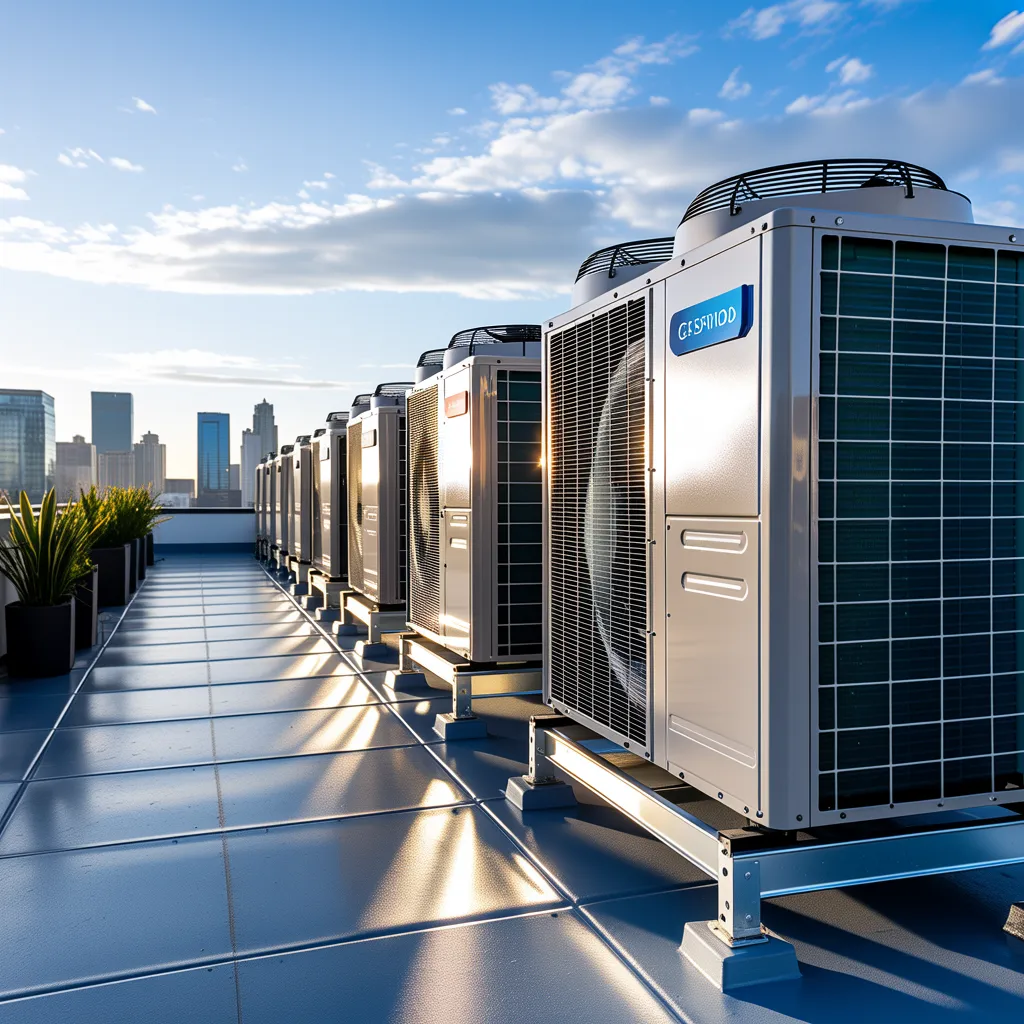
Symptoms Your HVAC System Needs Repair?
How can property owners determine when their HVAC system requires maintenance? Several signs can help in identifying potential problems. Strange sounds, such as grinding or squealing, often indicate mechanical problems. Additionally, inconsistent temperatures across different rooms may indicate ductwork issues or a malfunctioning thermostat. Homeowners should also be alert to a rise in energy bills, which can indicate that the system is operating more intensively than necessary to maintain comfort.
An essential warning is the existence of strange odors, which might indicate power issues or fungal accumulation within the system. Frequent cycling on and off, known as short-cycling, can lead to heightened wear and tear. In conclusion, if the system is releasing insufficient air or no air at all, it may need immediate service. Identifying these markers early can stop more extensive deterioration and pricey repairs.
Acknowledging Why Ongoing HVAC Upkeep Is Necessary
Regular HVAC servicing is essential for ensuring optimal performance and extending the lifespan of the system. Routine checks and maintenance help detect potential problems before they develop into expensive repairs. During servicing, technicians typically maintain components, check refrigerant levels, and verify that all parts function effectively. This proactive approach not only improves system dependability but also improves energy performance, resulting in reduced utility bills.
Furthermore, regular servicing can considerably enhance air quality indoors by confirming filters are properly maintained and ventilation systems are unobstructed. Avoiding maintenance can result in decreased performance and accelerated component deterioration on components, ultimately shortening the system's lifespan. In addition, many manufacturers require regular upkeep to copyright warranty coverage. By committing to a consistent HVAC maintenance schedule, homeowners can achieve a pleasant living environment while reducing unexpected breakdowns and expenses. Ultimately, regular maintenance is an important investment in home climate control.
Essential Criteria For Evaluating An HVAC Service Provider
Picking the right HVAC service provider is vital to maintaining an efficient home climate control system. Several significant factors should be examined to ensure peak service. First, the provider's permits and protection status is vital; this safeguards homeowners from potential liabilities. Second, assessing experience and expertise is necessary; seasoned technicians are more likely to diagnose and resolve issues effectively.
Additionally, client feedback and endorsements can shed light on the provider's dependability and service excellence. Pricing transparency is a vital element; a reputable provider should offer clear estimates without hidden fees. Finally, responsiveness and customer support play a significant role in routine maintenance and urgent situations. By carefully evaluating these factors, homeowners can select a trustworthy HVAC service provider, ultimately promoting a pleasant and economical living environment.
Varieties of HVAC Systems You Should Understand
Comprehending the different kinds of HVAC systems is crucial for effective home climate control. Central air conditioning systems, ductless mini-split systems, and heat pump systems each offer distinct advantages and applications. Knowledge with these options allows homeowners to make educated decisions customized to their specific needs.
Central Air Temperature Regulation Systems
While a large number of occupants pursue effective cooling and heating options, central air conditioning systems serve as a popular choice due to their operational savings and ability to cool large spaces uniformly. These systems work by channeling chilled air through a duct network, presenting reliable climate across different spaces. Central air conditioning units generally are composed of an outdoor compressor and an indoor evaporator coil, which combine efforts to remove heat from the air. This approach not only elevates comfort but also contributes to improved indoor air quality by filtering dust and allergens. Additionally, central systems can be attached to smart thermostats, empowering homeowners to oversee energy usage more effectively, thereby minimizing utility costs while upholding a comfortable living environment.
Ductless Mini-Split Equipment
Ductless mini-split systems deliver a flexible and cost-effective alternative for homeowners desiring individualized climate control. These systems include an outdoor compressor unit and one or more indoor air-handling units, facilitating exact temperature management in individual rooms. This versatility permits homeowners to personalize heating and cooling according to their specific needs, enhancing comfort while possibly decreasing energy costs. Additionally, ductless systems are easier to set up than traditional systems, as they demand minimal ductwork, making them ideal for updating older homes. Their compact design also permits installation in spaces where conventional systems may not fit. As a result, ductless mini-split systems are increasingly popular for those aiming to improve home climate control efficiently.
Heat Pump Equipment
Heat pump systems offer another innovative option in modern HVAC technology, delivering both heating and cooling solutions through a single unit. These systems operate by moving heat rather than generating it, making them efficient with energy and environmentally friendly. There are two main types: air-source and ground-source (or geothermal) heat pumps. Air-source units extract heat from the outside air, while ground-source systems draw heat from the ground. Both types can significantly reduce energy bills and decrease carbon footprints. Heat pumps are particularly efficient in moderate climates, where they can sustain comfortable indoor temperatures year-round. However, their efficiency can diminish in extreme temperatures, requiring supplemental heating. Overall, heat pump systems are a flexible choice for homeowners pursuing sustainable climate control solutions.
Ways HVAC services May Help You Reduce Money On Energy Bills
Effective HVAC services play an essential role in reducing energy bills for homeowners. Regular maintenance, smart thermostat installations, and energy-efficient upgrades can significantly boost system performance. By fine-tuning these elements, homeowners can achieve substantial savings on their energy costs.
Efficient System Upkeep
Maintaining an HVAC system is crucial for improving energy performance and reducing monthly utility costs. Regular inspections and tune-ups ensure that the system operates at peak performance, lowering energy consumption. Routine maintenance tasks, such as filter cleaning or replacement, can significantly improve airflow and reduce strain on the system, leading to reduced utility expenses. Additionally, tackling small problems before they become expensive maintenance needs can save homeowners substantial amounts in the long run. HVAC professionals can identify inefficiencies and suggest improvements, ensuring that the system runs smoothly throughout the year. By focusing on regular upkeep, homeowners can achieve a comfortable indoor climate while also enjoying considerable savings on their energy expenses.
Deploying Your Smart Thermostat
An smart thermostat will significantly improve energy savings for property owners while providing greater command over indoor climate. By automatically adjusting heating and cooling configurations based on occupancy and preferences, these systems maximize energy consumption. HVAC services are essential in the setup phase, guaranteeing that the thermostat is compatible with current infrastructure and configured for optimal performance. Professional installers can also educate homeowners on features like off-site control and consumption analytics, enabling knowledgeable choices about temperature management. Additionally, many smart thermostats integrate with home automation systems, additionally enhancing energy management. Ultimately, investing in smart thermostat installation through dependable HVAC services will result in significant reductions in energy bills while enhancing overall comfort in the home.
Energy-Effective Upgrades
Energy-efficient upgrades are key to maximizing savings on energy bills while improving home comfort. HVAC services can assist homeowners in identifying and implementing these upgrades, which include high-efficiency furnaces, energy-saving air conditioners, and improved insulation. By replacing outdated systems with modern, efficient models, households can decrease energy consumption considerably. Additionally, regular maintenance ensures peak performance, avoiding costly repairs and inefficient operation. Sealing ducts and closing air gaps further enhance energy efficiency, allowing for better climate control throughout the home. Making these upgrades not only reduces monthly utility costs but also adds to a more sustainable environment. Overall, energy-efficient improvements are a wise financial decision for homeowners looking to maximize both comfort and savings.
How HVAC Services Enhance Indoor Air Quality
Enhancing air quality inside is a key benefit of professional HVAC services. Routine upkeep and service of HVAC systems guarantee that filters are clean and operating properly, which helps catch dust, allergens, and other pollutants. Regular inspections can pinpoint issues such as mold growth or duct leaks, both of which can significantly lower air quality.
Furthermore, HVAC professionals can suggest and set up air cleaning units, which further enhance the residential space by trapping tiny contaminants. They can also evaluate humidity levels, as excessive moisture can lead to mold growth and mildew, damaging air quality.
What To Anticipate During Your HVAC Service Call
Maintaining excellent air quality inside often prompts homeowners to arrange HVAC service calls. During these sessions, technicians typically commence with a thorough inspection of the system, evaluating components such as filters, ducts, and thermostats. They may pose questions regarding any specific issues or unusual noises, permitting them to tailor their service.
Subsequently, service professionals often clean or replace filters to enhance review now efficiency and air quality. They may also review refrigerant levels and scan for leaks, ensuring peak performance. Additionally, they will check the system's operation, verifying that heating and cooling functions operate smoothly.
Homeowners can receive a detailed assessment describing findings and advice. This may include suggestions for continued upkeep or possible enhancements. By grasping these steps, homeowners can better recognize the critical importance of regular HVAC maintenance calls in maintaining a healthy and comfortable home setting.
Frequently Asked Questions
How Much Duration Will an HVAC Installation Generally Require?
An HVAC installation usually requires between one to three days, depending on the system's complexity and the dimensions of the home. Factors such as current ductwork and required modifications can also influence the duration.
What Guarantees Are Available for HVAC Systems?
HVAC systems usually offer multiple warranties, like limited parts warranties, prolonged service warranties, and comprehensive coverage warranties, which may vary by manufacturer and installation service. Customers should evaluate options carefully to confirm adequate coverage.
Can I set up an HVAC System on my own?
Installing an HVAC system on your own is conceivable but often unrealistic. Proper expertise, materials, and regional standards must be examined. Professional installation is typically suggested to guarantee protection, performance, and code compliance.
What Defines the Normal Lifespan of an HVAC Unit?
The mean duration of an HVAC unit customarily extends from 15 to 25 years. Considerations like maintenance, usage, and atmospheric factors can profoundly determine its longevity, affecting overall performance and efficiency.
What Schedule Should I Swap Out My HVAC Cartridges?
HVAC filters should typically be replaced every one to three months, depending on usage and environmental factors. Regular replacement guarantees peak system efficiency and improves indoor air quality, promoting a healthier living environment.